
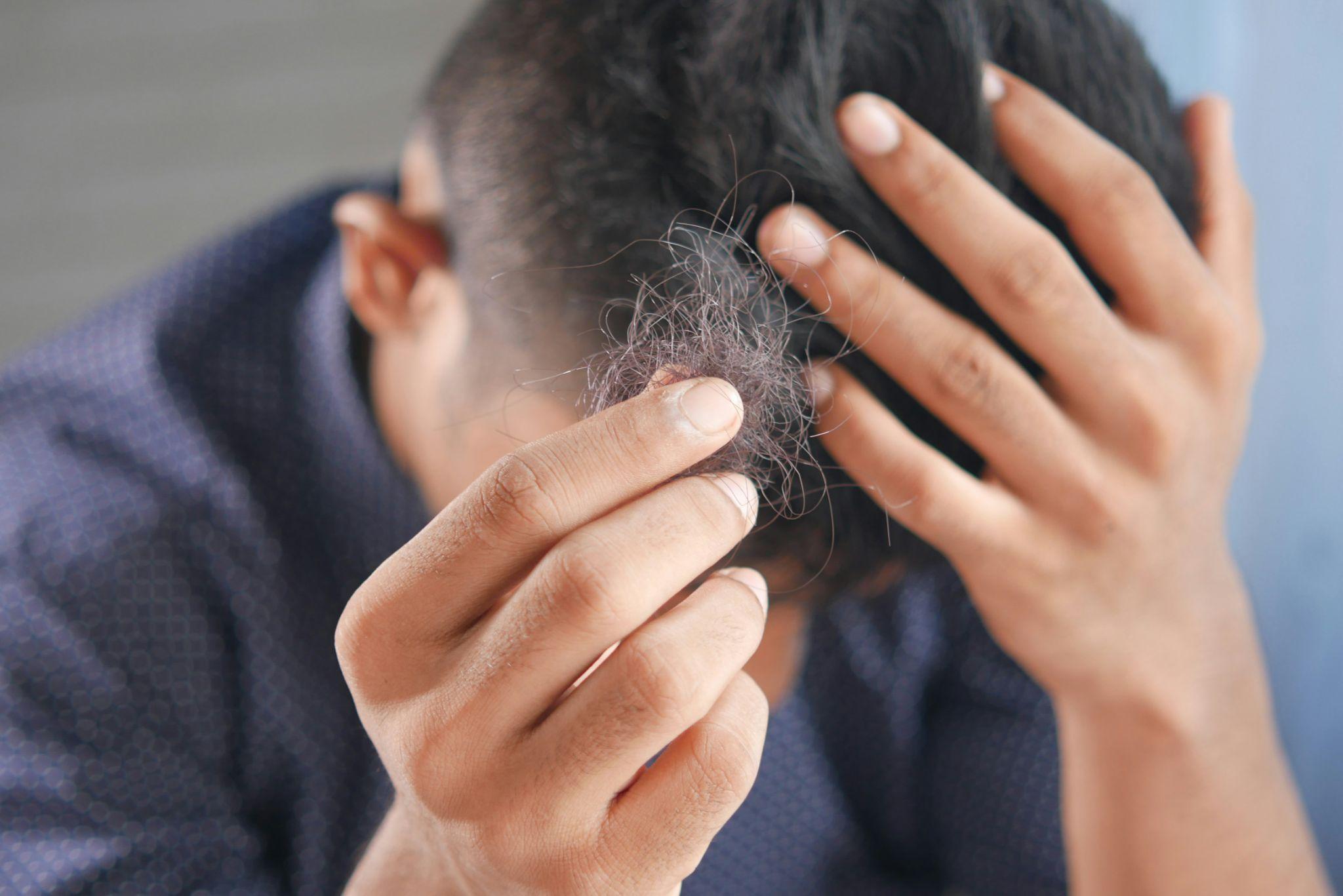
Losing a hundred strands of hair a day is considered normal. But when you start noticing thinning patches, a receding hairline, or more hair on your pillow than usual, something else is going on. Hair fall in men is incredibly common, but that doesn’t mean it’s simple. There are usually several things happening at once, and understanding what’s actually driving the loss is the first step toward doing something useful about it.
Why Genetics Is Often the Starting Point
Most men who experience significant hair loss have a genetic predisposition to it. This type is called androgenetic alopecia, more commonly known as male pattern baldness. It’s not simply about “having the baldness gene” — it’s about how sensitive your hair follicles are to a hormone called DHT (dihydrotestosterone).
DHT is a byproduct of testosterone. In men who are genetically sensitive to it, DHT gradually shrinks hair follicles over time. The hair that grows from these follicles becomes thinner and shorter with each cycle, until eventually the follicle stops producing hair altogether. This process can begin as early as the late teens or early twenties. A receding hairline or thinning at the crown are usually the first visible signs.
The Role of Hormonal Imbalances
Even without a strong family history, hormonal changes can disrupt the hair growth cycle significantly. Elevated DHT levels, thyroid dysfunction, and insulin resistance are among the most common hormonal contributors to male hair loss.
Thyroid disorders, both hypothyroidism and hyperthyroidism, affect the body’s metabolism at a cellular level, including the rate at which hair follicles regenerate. Insulin resistance, which is increasingly common in men with sedentary lifestyles or poor diets, can raise androgen levels and, in turn, accelerate follicle miniaturization.
These hormonal causes are often overlooked because the symptoms can be subtle or attributed to other things. A blood panel that checks thyroid function, insulin, and androgen levels can reveal a lot more than a scalp examination alone.
Nutritional Deficiencies That Quietly Damage Hair
Hair is made primarily of a protein called keratin, and it needs a steady supply of nutrients to grow properly. When the body is deficient in key vitamins and minerals, hair is usually one of the first things to suffer, because the body prioritizes vital organs over follicle health.
Some of the most common deficiencies linked to male hair loss include:
● Iron deficiency, which reduces oxygen supply to follicles
● Low levels of vitamin D, which plays a role in follicle cycling
● Zinc deficiency, which disrupts protein synthesis in hair cells
● Biotin and B12 insufficiency, both of which affect keratin production
Many men eat enough in terms of calories but still fall short on these specific nutrients, especially if their diet is heavily processed or lacks variety.
How Stress and Lifestyle Quietly Accelerate the Process
Chronic stress triggers a condition called telogen effluvium, where a large number of hair follicles prematurely enter the resting phase of the growth cycle. This often shows up as sudden, diffuse shedding rather than patterned thinning. The tricky part is that it typically appears two to three months after the stressful event, making the connection easy to miss.
Beyond psychological stress, poor sleep, smoking, and excessive alcohol consumption also compromise scalp circulation and follicle health over time. These aren’t direct causes, but they create conditions where existing vulnerabilities become more pronounced.
Scalp Health and Its Underrated Impact
A healthy scalp is the foundation for healthy hair, and this part is often completely ignored. Conditions like seborrheic dermatitis, dandruff, and folliculitis can inflame the scalp and clog follicles, directly interfering with hair growth.
Poor scalp hygiene or, conversely, over-washing with harsh shampoos can strip the scalp of its natural oils and disrupt its microbiome. A compromised scalp environment means follicles are working against the odds before any other factor even comes into play.
Connecting the Dots Before Picking a Solution
The reason most hair loss treatments fail or deliver inconsistent results is that they address symptoms rather than causes. Applying a topical solution without knowing whether the issue is hormonal, nutritional, or stress-related is essentially guessing. Some approaches, like Traya, are built around identifying what’s actually driving the loss before recommending any kind of treatment plan, which is a more logical starting point for most men.
Final Thoughts
Hair fall in men rarely has a single cause. Genetics may set the stage, but hormonal imbalances, nutritional gaps, chronic stress, and poor scalp health often determine how quickly things progress. Understanding which of these factors are at play in your specific situation matters far more than reaching for the first product that promises results. The more clearly you see the root cause, the better positioned you are to actually address it.
